Introduction
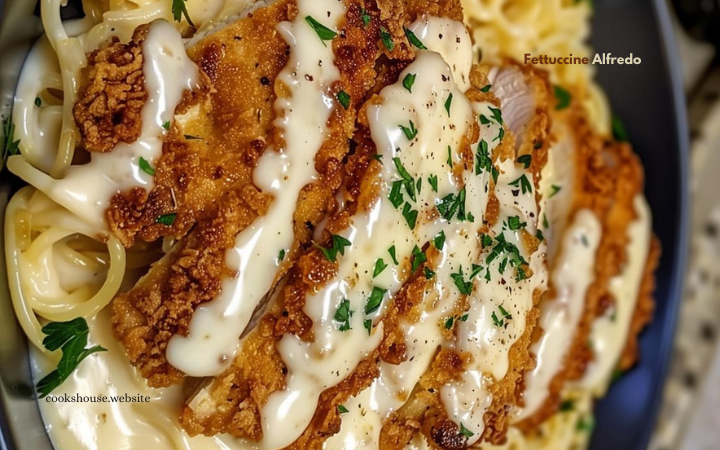
Fettuccine Alfredo is the epitome of comfort food—a dish that combines tender ribbons of pasta with a rich, creamy sauce that feels like a warm hug on a plate. Known for its luxurious texture and indulgent flavor, this Italian-American classic has earned a permanent place in the hearts of food lovers worldwide. But what makes the best Fettuccine Alfredo? Is it the simplicity of the original Roman recipe, the decadence of the creamy American version, or a perfect balance of both? In this article, we’ll explore the ultimate recipe for Fettuccine Alfredo, designed to deliver restaurant-quality results at home. We’ll break down the ingredients, provide detailed cooking instructions, share expert tips, and offer variations to suit different tastes and dietary needs. Whether you’re a seasoned cook or a kitchen novice, this guide will help you create a Fettuccine Alfredo that’s nothing short of perfection.
The Essence of Fettuccine Alfredo
Before diving into the recipe, let’s clarify what makes Fettuccine Alfredo so special. At its core, the dish is about harmony: the interplay of silky pasta and a sauce that’s rich yet balanced. The traditional Roman version, created by Alfredo di Lelio in the early 20th century, used just butter, Parmigiano-Reggiano cheese, and fettuccine, relying on technique to create a glossy, emulsified sauce. The American adaptation introduced heavy cream, garlic, and sometimes additional seasonings, resulting in a heartier, more indulgent dish.
For the best Fettuccine Alfredo, we’ll strike a balance: a sauce that’s creamy but not overwhelming, with the authentic flavors of Parmesan and butter shining through. We’ll also include optional add-ins like grilled chicken or vegetables to enhance versatility without overshadowing the dish’s classic appeal. The goal is a recipe that’s approachable, flavorful, and adaptable to your preferences.
The Best Fettuccine Alfredo Recipe
This recipe is designed for four servings and combines the richness of the American-style sauce with the elegance of the original. It’s straightforward yet refined, with tips to ensure success every time.
Ingredients
- 12 oz fettuccine pasta (fresh or dried, preferably high-quality)
- 1 cup heavy cream
- 1/2 cup unsalted butter (high-quality, European-style butter like Kerrygold for richer flavor)
- 1 1/4 cups freshly grated Parmigiano-Reggiano cheese (plus extra for serving)
- 2 cloves garlic, minced (optional, for a subtle depth)
- 1/4 tsp freshly grated nutmeg (optional, for warmth)
- Salt, to taste
- Freshly ground black pepper, to taste
- 2 tbsp fresh parsley, finely chopped (for garnish)
- Optional add-ins:
- 2 grilled chicken breasts, sliced
- 1 cup steamed broccoli florets
- 8 oz sautéed shrimp
Equipment
- Large pot for boiling pasta
- Large skillet or saucepan
- Tongs or pasta fork
- Microplane or fine grater for Parmesan
- Wooden spoon or whisk
- Colander
Instructions
Step 1: Cook the Pasta
- Bring a large pot of water to a rolling boil. Add a generous pinch of salt (about 1 tablespoon per gallon of water) to season the pasta.
- Add the fettuccine and cook according to package instructions until al dente (typically 8–10 minutes for dried pasta, 2–4 minutes for fresh). Stir occasionally to prevent sticking.
- Before draining, reserve 1 cup of the starchy pasta cooking water. This will help adjust the sauce’s consistency later.
- Drain the pasta in a colander and set aside. Do not rinse the pasta, as the starch helps the sauce adhere.
Step 2: Prepare the Sauce
- In a large skillet or saucepan, melt the butter over medium-low heat. If using garlic, add the minced garlic and sauté for 1 minute until fragrant but not browned.
- Pour in the heavy cream and stir to combine. Increase the heat to medium and bring the mixture to a gentle simmer. Let it simmer for 2–3 minutes, stirring occasionally, until slightly thickened.
- Reduce the heat to low. Gradually add the grated Parmigiano-Reggiano in small handfuls, stirring or whisking constantly to melt the cheese and create a smooth sauce. This should take about 2 minutes.
- If using nutmeg, stir it in now for a subtle, warm flavor. Season the sauce with a pinch of salt and a few grinds of black pepper. Taste and adjust seasoning as needed.
Step 3: Combine Pasta and Sauce
- Add the cooked fettuccine to the skillet with the sauce. Using tongs, toss the pasta gently to coat it evenly. The sauce should cling to the pasta, creating a glossy finish.
- If the sauce is too thick, add a splash of reserved pasta water (start with 2 tablespoons) and toss again. Continue adding small amounts of pasta water until the sauce reaches your desired consistency—creamy but not gloppy.
- Cook the pasta in the sauce for 1–2 minutes over low heat to meld the flavors. This step ensures the pasta absorbs some of the sauce’s richness.
Step 4: Add Optional Ingredients
- If including add-ins like grilled chicken, shrimp, or broccoli, gently fold them into the pasta now. Ensure they’re warmed through but not overcooked.
- For chicken or shrimp, make sure they’re pre-cooked (grilled, sautéed, or poached) to avoid altering the sauce’s texture. Steamed or lightly blanched vegetables should be tender but crisp.
Step 5: Serve
- Divide the Fettuccine Alfredo among four plates or shallow bowls. Use tongs to twirl the pasta into neat portions.
- Garnish with a sprinkle of chopped parsley and an extra dusting of grated Parmigiano-Reggiano.
- Serve immediately with crusty bread or a simple green salad to complement the dish’s richness.
Nutritional Information (Per Serving, Without Add-Ins)
- Calories: ~650 kcal
- Protein: 18 g
- Fat: 42 g
- Carbohydrates: 50 g
Note: Nutritional values are approximate and vary based on portion size and specific ingredients.

Tips for the Perfect Fettuccine Alfredo
Achieving the best Fettuccine Alfredo requires attention to detail. Here are expert tips to elevate your dish:
- Choose Quality Ingredients: The dish’s simplicity means every component matters. Use authentic Parmigiano-Reggiano (not pre-grated “Parmesan”) for its nutty, complex flavor. High-fat, European-style butter adds depth, and fresh cream ensures a smooth texture.
- Cook Pasta Al Dente: Slightly undercooked pasta finishes cooking in the sauce, absorbing flavor without becoming mushy. Check the pasta a minute before the package’s suggested time.
- Emulsify the Sauce Properly: Toss the pasta and sauce over low heat to create a cohesive dish. Avoid high heat, which can cause the sauce to separate or become greasy.
- Use Pasta Water Wisely: The starchy water is your secret weapon for adjusting the sauce’s thickness. Add it gradually to avoid diluting the flavor.
- Grate Cheese Finely: A microplane or fine grater ensures the Parmesan melts smoothly, preventing a grainy texture.
- Balance Richness: If the sauce feels too heavy, a pinch of lemon zest or a splash of lemon juice (added just before serving) can brighten the flavors without overpowering the dish.
- Don’t Overdo Add-Ins: While chicken or vegetables are delicious, too many extras can overwhelm the delicate sauce. Aim for one or two complementary ingredients.
Variations to Suit Every Taste
The beauty of Fettuccine Alfredo lies in its versatility. Here are some popular variations to customize the dish:
Classic Roman-Style Alfredo
For a lighter, more authentic version, skip the cream and garlic. Toss hot fettuccine with 3/4 cup softened butter and 1 1/2 cups grated Parmigiano-Reggiano, adding pasta water to emulsify. This version highlights the purity of the ingredients.
Vegan Fettuccine Alfredo
Replace dairy with plant-based alternatives:
- Sauce: Blend 1 cup soaked cashews with 1 cup unsweetened almond milk, 1/4 cup nutritional yeast, 2 tbsp olive oil, 1 tsp lemon juice, and a pinch of salt.
- Pasta: Use egg-free fettuccine.
- Garnish: Sprinkle with fresh herbs or vegan Parmesan.
Low-Calorie Alfredo
To lighten the dish:
- Substitute heavy cream with half-and-half or a mix of milk and Greek yogurt.
- Reduce butter to 1/4 cup and increase pasta water for creaminess.
- Add vegetables like spinach or zucchini to bulk up the dish without extra calories.
Seafood Alfredo
Elevate the dish with seafood:
- Add 8–12 oz sautéed shrimp, scallops, or lump crabmeat.
- Incorporate a pinch of Old Bay seasoning or red pepper flakes for a subtle kick.
- Garnish with fresh dill or chives for a coastal flair.
Vegetable-Loaded Alfredo
Boost nutrition with:
- 1 cup sautéed mushrooms, roasted asparagus, or sun-dried tomatoes.
- 2 cups fresh spinach or kale, wilted into the sauce.
- A handful of peas for sweetness and color.
Common Mistakes to Avoid
Even a simple dish like Fettuccine Alfredo has pitfalls. Steer clear of these errors:
- Using Pre-Grated Cheese: It often contains anti-caking agents that prevent smooth melting.
- Overheating the Sauce: High heat can cause the cheese to clump or the cream to curdle. Keep the heat low and stir constantly.
- Skipping Pasta Water: Without it, the sauce may be too thick or sticky.
- Overcooking Add-Ins: Pre-cook proteins and vegetables to avoid releasing excess water into the sauce.
- Not Tasting as You Go: Adjust salt, pepper, and seasonings incrementally to avoid an unbalanced dish.
Pairing Suggestions
Fettuccine Alfredo’s richness calls for thoughtful pairings:
- Wine: A crisp white like Pinot Grigio or Sauvignon Blanc cuts through the creaminess. For red wine lovers, a light Pinot Noir works.
- Sides: A green salad with vinaigrette, garlic bread, or roasted vegetables like asparagus or Brussels sprouts complement the dish.
- Dessert: Keep it light with lemon sorbet, fresh berries, or a citrus tart to cleanse the palate.
The Cultural Context of Fettuccine Alfredo
Fettuccine Alfredo’s enduring appeal stems from its ability to bridge cultures. Born in Rome as a simple pasta dish, it transformed in America into a symbol of indulgence. Its versatility—equally at home in a cozy kitchen or a high-end restaurant—makes it a universal favorite. The dish’s story, tied to Alfredo di Lelio’s act of love for his wife, adds emotional resonance, reminding us that food is about connection as much as flavor.
Conclusion
The best Fettuccine Alfredo is one that balances richness with simplicity, showcasing high-quality ingredients and careful technique. This recipe delivers a creamy, flavorful dish that’s easy to master yet impressive enough for special occasions. Whether you stick to the classic version or experiment with add-ins and variations, Fettuccine Alfredo is a canvas for creativity and comfort. So, gather your ingredients, fire up the stove, and treat yourself to a plate of this timeless classic. With every twirl of pasta, you’ll savor the magic of a dish that’s been delighting diners for over a century.